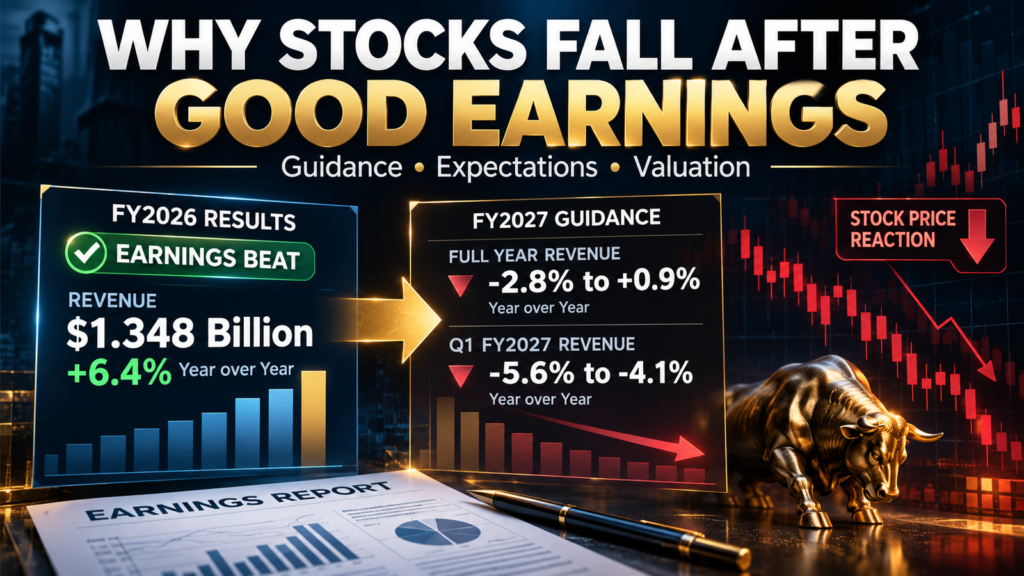
Why Stocks Fall After Good Earnings: The Role of Guidance and Expectations
Why can a stock fall after seemingly good earnings? Learn how guidance, expectations, analyst revisions, and valuation can outweigh the latest quarter.
Independent guides to analyst upgrades, downgrades, price targets, grading systems and research reliability.
Why can a stock fall after seemingly good earnings? Learn how guidance, expectations, analyst revisions, and valuation can outweigh the latest quarter.

Stocks can rise after a Fed rate hike when the decision is already priced in, the outlook is less hawkish than feared, earnings remain strong, or investors focus on future rate expectations. Here’s how to read the reaction.
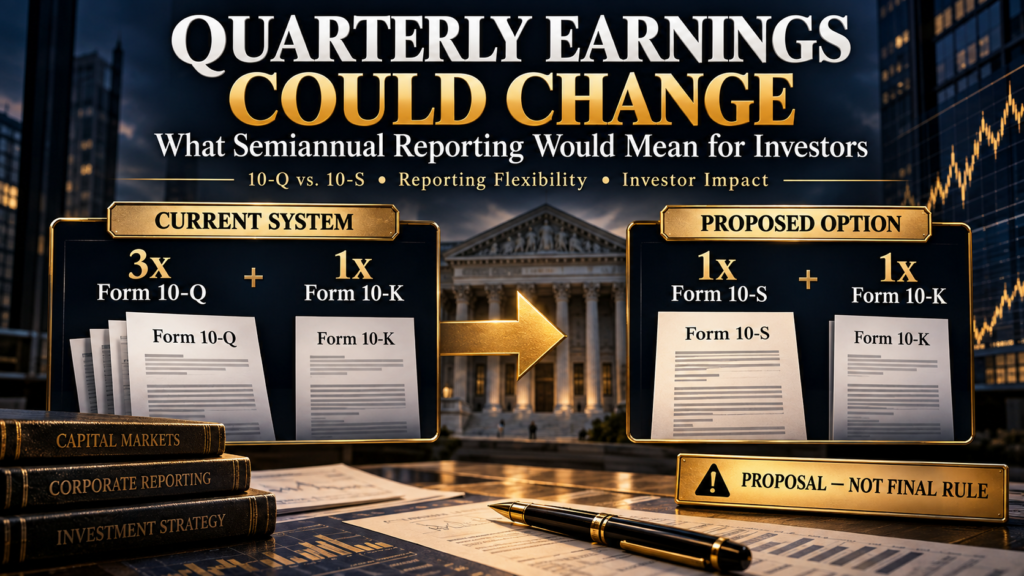
The SEC has proposed allowing U.S. public companies to choose semiannual reporting instead of filing three Form 10-Qs each year. Here is what that could mean for retail investors.

What does reiterated Buy mean? Learn why an analyst may repeat a rating, what can still change underneath it, and how to judge whether the update contains useful new information.

Learn how to read an analyst downgrade without panic selling by checking the reason, valuation, estimate changes, price reaction, and what actually changed in the business.

A consensus price target can summarize Wall Street expectations, but it can also hide stale assumptions and disagreement. Learn how to use it without false confidence.

Should you buy after an analyst upgrade? Use these five checks to separate useful research from a headline-driven chase.
Analyst upgrade vs price target increase: learn what each signal means, why they can disagree, and what to check before acting on the headline.

A practical 10-minute workflow for evaluating post-earnings analyst upgrades without chasing the first bullish headline.

A six-step process for comparing company guidance with analyst estimates without treating consensus as a guaranteed market expectation.