
AI IPOs: How to Read an S-1 Before You Buy (Nscale Case Study)
A seven-point guide to reading an AI IPO S-1, using Nscale’s 2026 filing to examine growth, cash needs, customer concentration, financing and dilution.
A seven-point guide to reading an AI IPO S-1, using Nscale’s 2026 filing to examine growth, cash needs, customer concentration, financing and dilution.

Prediction markets are growing fast, but an event contract is not the same thing as owning a stock. Learn the differences in ownership, payouts, probability pricing, expiration, regulation and risk.
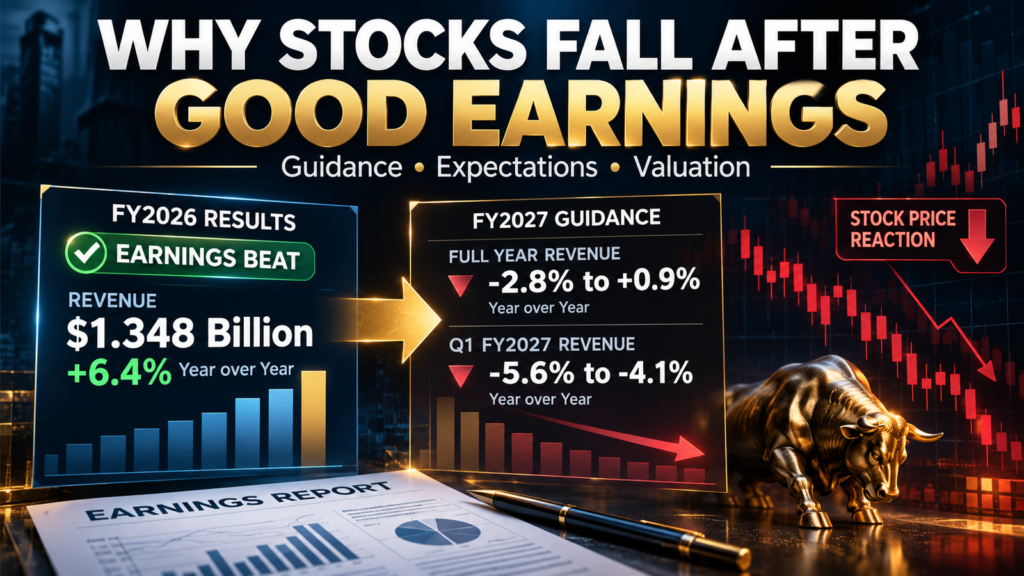
Why can a stock fall after seemingly good earnings? Learn how guidance, expectations, analyst revisions, and valuation can outweigh the latest quarter.

Stocks can rise after a Fed rate hike when the decision is already priced in, the outlook is less hawkish than feared, earnings remain strong, or investors focus on future rate expectations. Here’s how to read the reaction.
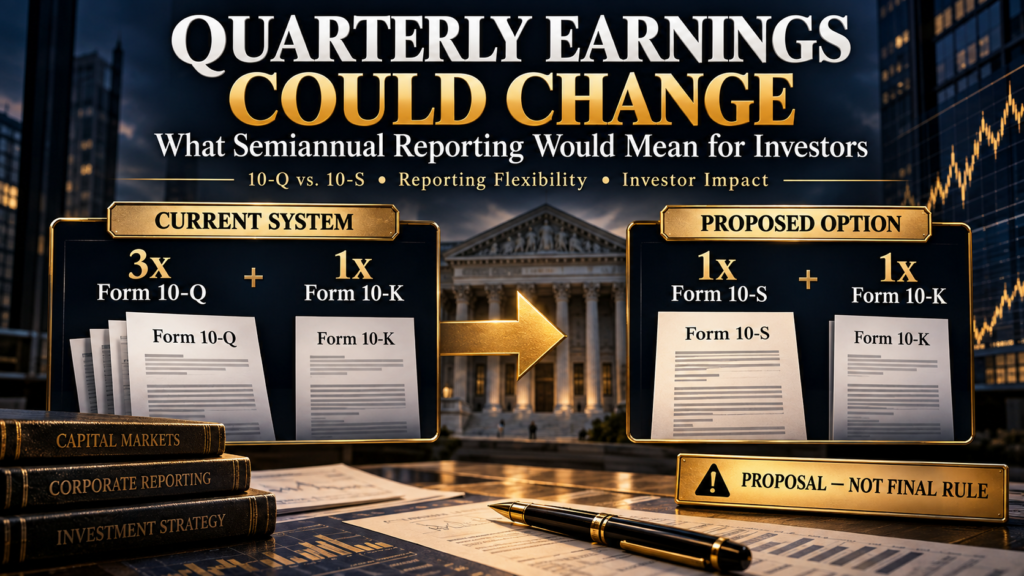
The SEC has proposed allowing U.S. public companies to choose semiannual reporting instead of filing three Form 10-Qs each year. Here is what that could mean for retail investors.

What does reiterated Buy mean? Learn why an analyst may repeat a rating, what can still change underneath it, and how to judge whether the update contains useful new information.

Earnings surprise vs estimate trend: learn why a one-quarter beat and the direction of analyst revisions answer different questions for investors.

Learn how to read an analyst downgrade without panic selling by checking the reason, valuation, estimate changes, price reaction, and what actually changed in the business.

A consensus price target can summarize Wall Street expectations, but it can also hide stale assumptions and disagreement. Learn how to use it without false confidence.

Should you buy after an analyst upgrade? Use these five checks to separate useful research from a headline-driven chase.