Quick answer: Stocks can rise after a Fed rate hike because markets trade on expectations, not just the headline decision. If investors already expected the hike—or feared an even tougher policy path—the actual announcement can remove uncertainty. Strong earnings, resilient economic data, lower long-term rate expectations, and changes in the Fed’s guidance can also outweigh the immediate effect of higher short-term rates.
That is exactly why a simple rule such as “higher rates equal lower stocks” often fails in real markets. On September 16, 2026, the Federal Open Market Committee raised the federal funds target range by 0.25 percentage point to 3.75%–4.00%. The Federal Reserve said inflation remained elevated while economic activity continued to expand at a solid pace. Yet the stock market’s reaction to any Fed decision depends on far more than the rate change itself.
Why Stocks After a Fed Rate Hike Can Still Rise
The most important idea is that markets are forward-looking. By the time the Fed announces a decision, professional investors have often spent weeks estimating the probability of that move. Treasury yields, stock valuations, currencies, and futures markets may already reflect much of the expected change.
So the relevant question is not simply, “Did the Fed raise rates?” It is, “How did the decision compare with what investors had already priced in?”
1. The Rate Hike Was Already Priced In
Imagine investors expect a 0.25-point increase for several weeks. Bond yields rise, interest-rate-sensitive stocks weaken, and valuation multiples adjust before the meeting. When the Fed finally announces the expected increase, there may be little new negative information left to absorb.
In that situation, stocks can rally simply because the feared event is now known. Markets dislike uncertainty. Confirmation of an expected policy move can sometimes be more comforting than the uncertainty that came before it.
2. Investors Care More About What Comes Next
The current rate matters, but the expected path of future rates can matter even more. Investors scrutinize the FOMC statement, the chair’s press conference, and the Summary of Economic Projections for clues about where policy may go next.
The Fed publishes projections for economic growth, unemployment, inflation, and policymakers’ views of appropriate interest rates. If a rate hike is paired with language suggesting fewer future increases than investors feared, longer-term yields can fall and stock valuations can improve—even though the Fed just raised its policy rate.
For the September 2026 meeting, the Fed’s official Summary of Economic Projections provides the kind of information investors use to evaluate that future path.
How Interest Rates Affect Stock Valuations
Higher rates can pressure stocks for a real economic reason: future cash flows become less valuable when discounted at a higher rate. This effect can be especially important for companies whose expected profits are far in the future.
But valuation is not determined by interest rates alone. A stock’s value also depends on expected revenue growth, margins, free cash flow, risk, and the durability of the business. If earnings expectations rise enough, they can offset some of the drag from higher discount rates.
A Simple Valuation Example
Suppose investors previously valued a company using modest growth assumptions because they expected the economy to weaken. Then new data show resilient demand and management raises guidance. Even if interest rates move slightly higher, the improved earnings outlook may have a larger effect on the company’s estimated value.
This is why investors should avoid analyzing Fed decisions in isolation. Monetary policy changes one part of the valuation equation; company fundamentals change another.
Good News, Bad News, and the Expectations Game
Market reactions can look backward if you focus only on the headline. A strong economy can lead to higher rates, which sounds negative for stocks. But strong economic activity can also support corporate revenue and earnings. Meanwhile, a rate cut may sound bullish, but if the cut occurs because the economy is deteriorating rapidly, investors may focus on the weaker growth outlook instead.
The correct interpretation depends on why policy is changing and how that reason compares with investor expectations.
Four Questions to Ask After a Fed Decision
- Was the decision expected? A fully anticipated move may have little new information.
- Did the Fed sound more or less hawkish than expected? Guidance can matter more than the current move.
- What happened to Treasury yields? Falling longer-term yields can support equity valuations even after a policy-rate increase.
- Did the economic outlook improve or deteriorate? Earnings expectations and growth assumptions can offset or amplify the rate effect.
Why Different Stocks React Differently
A Fed decision does not affect every company equally. Banks, utilities, real estate companies, highly leveraged businesses, profitable technology leaders, and early-stage growth companies can respond differently because their balance sheets and cash-flow profiles are different.
Higher borrowing costs can hurt companies that rely heavily on refinancing. Businesses with strong balance sheets and significant cash generation may be less sensitive. Financial firms can benefit from some rate environments but face pressure when credit conditions weaken or the yield curve changes unfavorably.
That is one reason broad statements such as “the Fed raised rates, so sell technology” are not a serious investment framework.
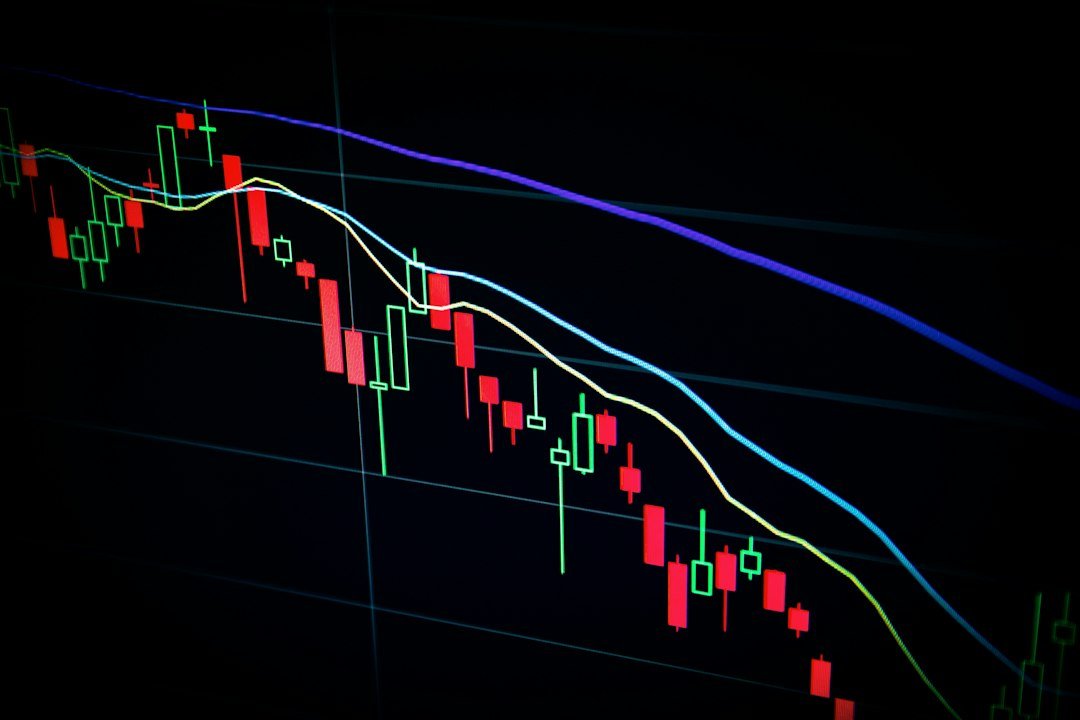
The Fed’s September 2026 Decision in Context
In its September 16, 2026 FOMC statement, the Federal Reserve raised the federal funds target range to 3.75%–4.00%. The Committee said economic activity was expanding at a solid pace, domestic spending had been resilient, productivity growth was strong, and inflation remained elevated.
Those details matter. Investors are not processing one number. They are simultaneously updating assumptions about inflation, economic growth, corporate earnings, future rate decisions, and risk premiums.
What Retail Investors Should Avoid
The biggest mistake is reacting to a headline before understanding what the market expected. A second mistake is assuming that one day’s price move proves the market has correctly interpreted the Fed. Initial reactions can reverse as investors digest the press conference, economic projections, bond-market moves, and subsequent data.
- Do not treat a single Fed announcement as a buy or sell signal.
- Do not assume every sector responds the same way.
- Do not ignore earnings and valuation.
- Do not confuse a price reaction with a change in a company’s long-term intrinsic value.
The same principle applies when analysts change their estimates. A new price target only becomes useful when you understand the assumptions underneath it. Our guide to price target changes explains how to read those revisions without treating them as guaranteed forecasts.
A Better Framework for Reading Fed Days
Instead of asking whether higher rates are “good” or “bad” for stocks, use a three-layer framework.
- Policy: What did the Fed actually change?
- Expectations: How did the decision and guidance compare with what investors expected beforehand?
- Fundamentals: What does the new information imply for growth, earnings, cash flows, and valuation?
This approach will not predict every short-term market move. Nothing will. But it helps separate useful information from the emotional noise that often surrounds Fed days.
Bottom Line
Stocks after a Fed rate hike can rise because the market has already priced in the decision, future policy looks less restrictive than feared, economic and earnings expectations remain strong, or longer-term yields move in a supportive direction. The headline rate change is only one variable in a much larger expectations and valuation process.
For investors, the useful habit is not predicting whether stocks will go up or down immediately after the next FOMC meeting. It is learning to compare the decision with expectations, study the Fed’s guidance, watch the bond market, and then connect those signals back to company fundamentals.
Educational content only. TradeGrade Research does not provide individualized investment advice.
Want to study how analyst grades fit into a research workflow? Explore the free analyst grades training. Evaluate the methodology against your own objectives and risk tolerance.