Stock analyst upgrades (and downgrades) can move a share price before the market even opens — and the first time I watched one do it, my gut reaction was “did I miss news overnight?” Turns out I had, just not the kind that makes headlines. An analyst at a major firm had quietly published a rating change the evening before, and by the time it hit my morning newsletter, the move had already happened. That gap between when stock analyst upgrades and downgrades are published and when most people actually see them is really the whole story here.

What stock analyst upgrades and downgrades actually mean
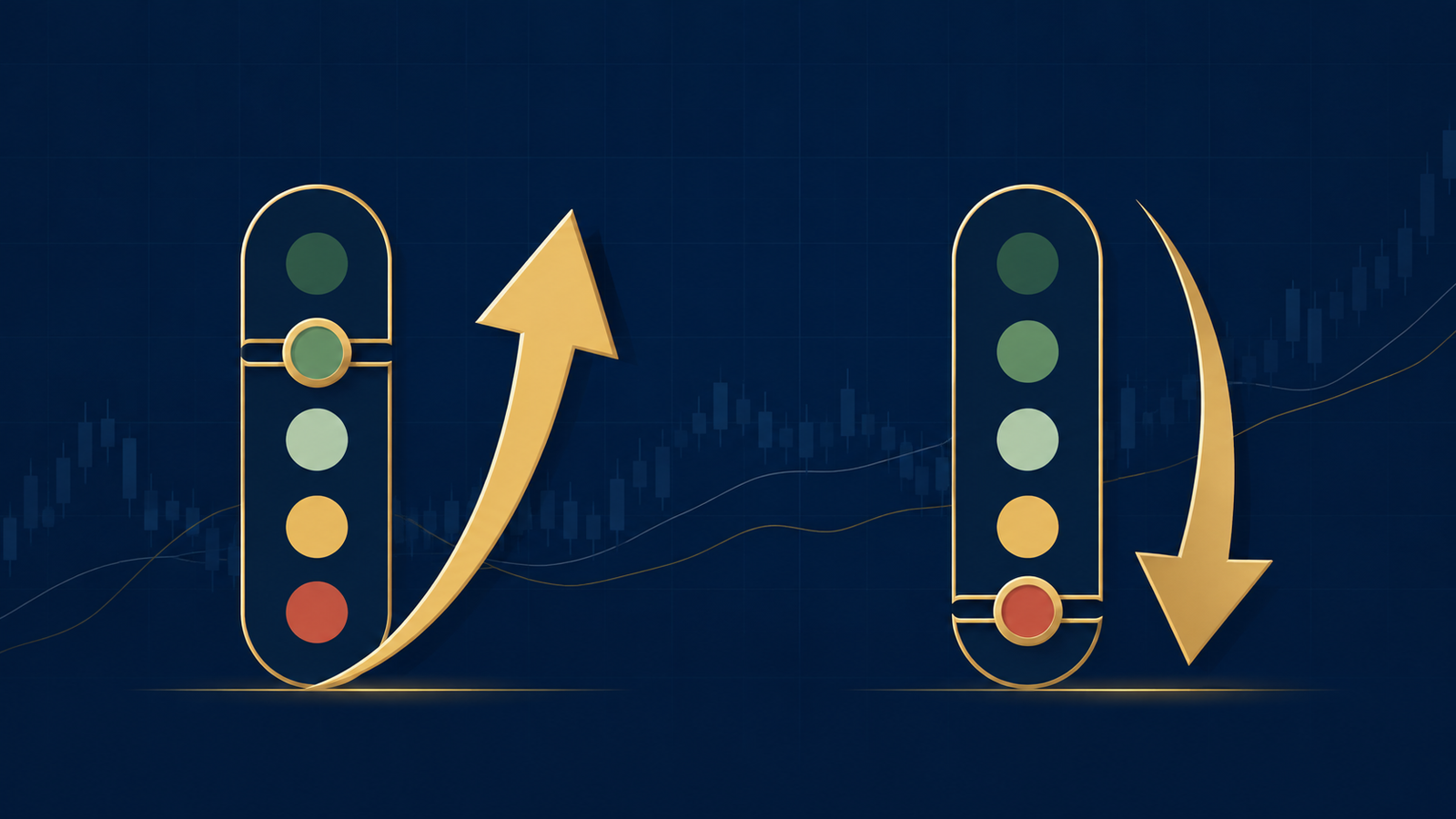
When a Wall Street analyst issues a rating change on a stock, they’re formally revising their opinion on how it’s likely to perform. An upgrade means the analyst now expects the stock to do better than they previously thought — often shifting a rating from something like “Hold” to “Buy.” A downgrade is the reverse: a rating that shifts down, say from “Buy” to “Hold” or “Sell,” signaling the analyst now sees more downside than before.
It’s worth knowing that stock analyst upgrades and downgrades come from research analysts at brokerages and investment banks, not from company insiders. They’re built on the analyst’s own modeling, industry knowledge, and read of a company’s fundamentals — not privileged information.
If you want the fuller picture, see how A-to-F stock grading systems translate these calls into a single score, and check our pre-market research checklist for where rating changes fit into a morning routine.
Why timing matters more than most people realize
Here’s the part that surprised me most: rating changes are public within minutes of being published, but most retail investors don’t see them until they show up in a financial news roundup hours later. Institutional clients typically get the research note first, then it filters out publicly, and by the time it’s in your morning newsletter, the initial price reaction has often already happened in pre-market trading.
That’s not really an information-access problem anymore — it’s a monitoring gap. The data is public. The question is whether you’re watching for it or waiting to be told about it after the fact.

Upgrades vs. price target changes — they’re not the same thing
A lot of people only pay attention to full rating changes and miss a quieter but still meaningful signal: price target adjustments without a rating change. An analyst maintaining a “Buy” rating but raising their price target from $150 to $190 is still a bullish move — it just doesn’t come with the more attention-grabbing rating flip, so it tends to get less coverage. If you’re only tracking upgrades and downgrades in the strict sense, you’re missing part of the picture.
How to actually use this information
Rating changes shouldn’t be treated as a buy or sell signal on their own — plenty of upgraded stocks still underperform, and downgrades don’t always play out either. What they’re genuinely useful for is context: understanding where professional sentiment is shifting on a stock you already follow, and catching moves early enough to do your own research before the broader market reacts.
A reasonable approach — similar to what we outline in our pre-market trading guide — looks something like this:
- Monitor rating changes for stocks already on your watchlist, rather than chasing every upgrade across the market.
- Check whether the move is a full rating change or just a price target adjustment — both matter, but they carry different weight.
- Look at which firm issued it. Not all analysts move markets equally; some have a stronger track record of accuracy than others.
- Treat it as one input, not the whole decision. Combine it with your own read on the company’s fundamentals and the broader setup.

FAQ
Do stock prices always move after an upgrade or downgrade?
Not always, and not predictably. Highly-followed stocks tend to react faster and more visibly; smaller or less-covered names can see little to no immediate movement.
Are all analysts equally reliable?
No. Some firms and individual analysts have stronger historical track records than others on specific sectors, which is part of why context matters more than the headline rating alone.
Is it too late to act once a rating change is public?
Not necessarily — but the earlier you see it relative to the broader market, the more useful it is for research purposes. This is exactly the gap that dedicated monitoring tools are built to close.
This content is for informational and educational purposes only and does not constitute financial or investment advice. All trading involves risk, including the potential loss of principal. Always do your own research before making investment decisions.
See the full Setup Grade research tool » · Chart it yourself on TradingView »