Trading consistency 2026 is the thing almost every trader searches for after a good week goes bad. If that sounds familiar, keep reading.
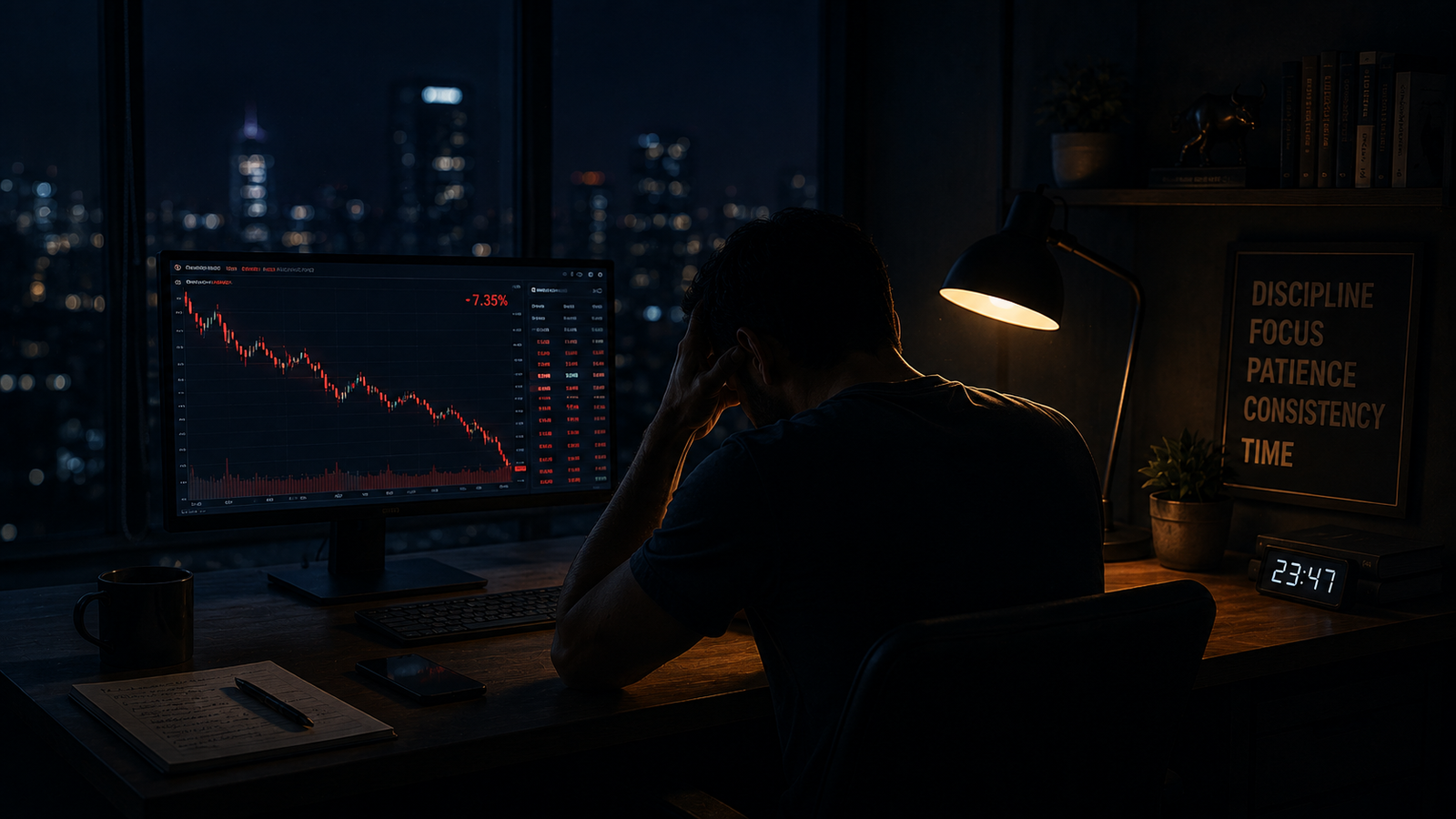
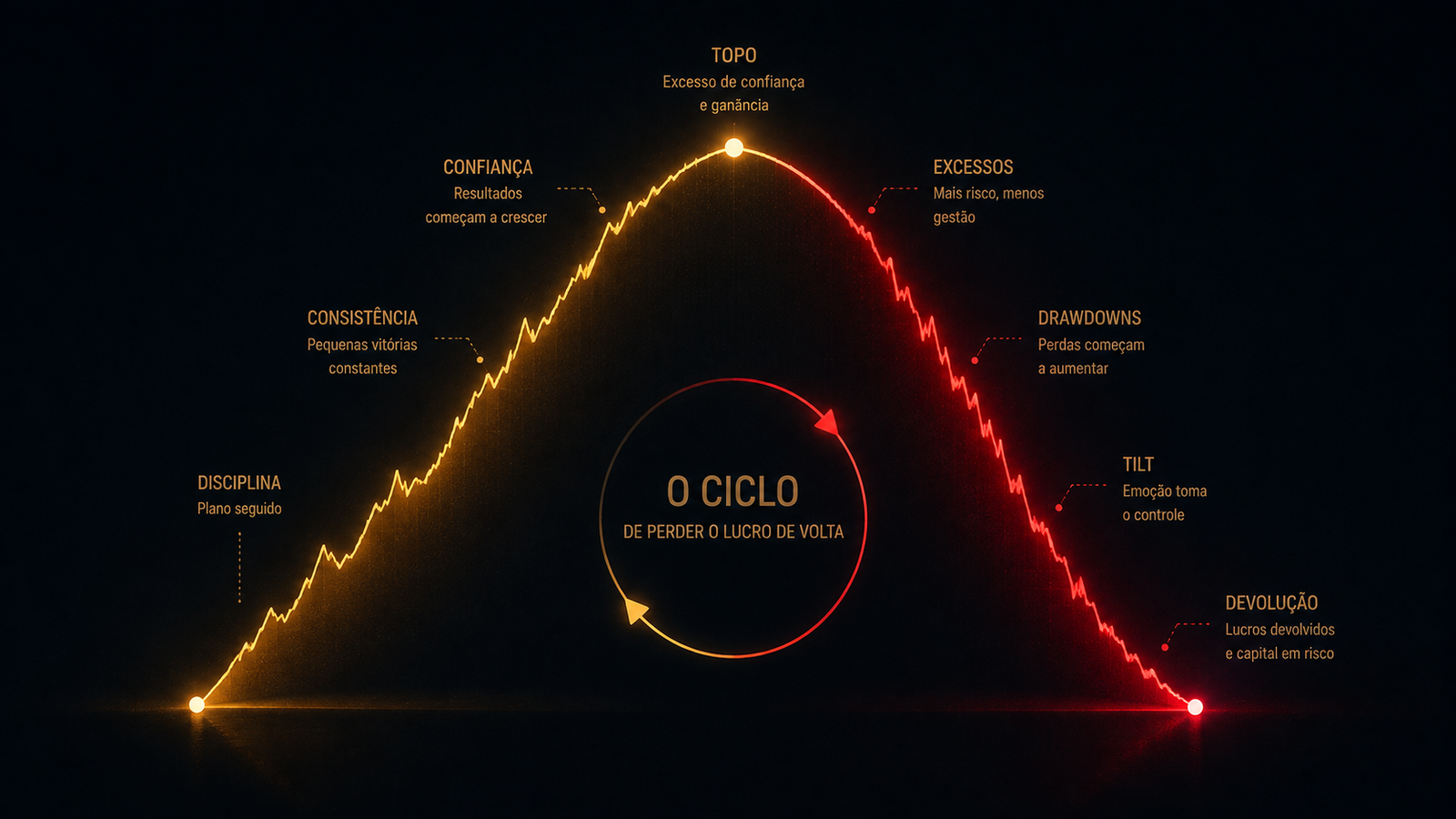
You know the feeling. A good week. Three, four green trades in a row. Your account is up, your confidence is up, and for a moment it feels like you have finally figured this out.
Then one bad trade turns into two. You move your stop “just this once.” You add to a losing position because it has to bounce back eventually. By Friday, the gains from Monday and Tuesday are gone, plus some. Sound familiar?
If it does, you are not broken and you are not bad at this. You are missing the one thing almost nobody talks about when they sell you a strategy: a system for staying consistent once you already know what to do. Trading consistency 2026 is not about finding a better setup. It is about protecting the setups you already know how to trade.
Trading Consistency 2026: Why It Is So Hard to Hold Onto Gains
Here is what almost nobody admits out loud: most traders do not lose money because they lack knowledge. Most traders lose money because they know exactly what they should have done, and did the opposite anyway, in the moment, under pressure.
That gap between what you know and what you actually do when real money is on the line is where accounts get destroyed. It is not a strategy problem. It is a structure problem.
The Real Reasons Traders Keep Giving It Back
A few patterns show up again and again in traders who cannot hold onto their gains:
- No written plan for the trade before entering it. If your stop loss, target, and position size are not decided before you click buy, you will decide them emotionally after, while the trade is already moving against you.
- Revenge trading. One loss turns into a second, bigger trade meant to “win it back” immediately, usually without the same discipline that the first trade had.
- Position sizing that only works when you are winning. Sizing up after a hot streak feels natural. It is also exactly how three good weeks get erased in three bad days.
- No outside check on your own decisions. When you are the only person grading your own setups, it is very easy to convince yourself a bad trade is actually a good one, especially when you already want to take it.
None of these are knowledge problems. You already know you should not revenge trade. Knowing that at 2pm on a Tuesday, mid-drawdown, is a completely different thing.
It Is Not About Finding the Perfect Strategy
This is the part that is hard to hear: chasing a better strategy will not fix an inconsistency problem. Plenty of traders have a strategy that wins more than it loses and still end the year flat or red, because the leak is not in the strategy. It is in what happens between the strategy and the moment of execution.
What actually closes that gap is structure: something outside your own emotions that tells you whether a setup meets your criteria before you are already emotionally attached to the trade, the same structure that separates a real trading mentor from someone just selling a course.

What Actually Builds Trading Consistency
Traders who manage to hold onto their gains over time tend to share a few habits. They grade their setups against the same criteria every time, win or lose. They size positions the same way in a drawdown as they do in a hot streak. And they have some kind of outside check, a rule, a checklist, a second opinion, that catches the trade they really want to take but should not.
That third one is the piece most self-taught traders never build, because it is genuinely hard to build alone. It is much easier to have a system do it for you.
A Simple Way to Start Building Trading Consistency 2026 Today
This is exactly why we point people toward TradeGrade’s free training. It walks through the same Setup Grade system professional traders use to take the emotion out of “should I take this trade,” so you are not relying on willpower alone during the exact moment willpower tends to fail.
If any of this hit close to home, the good news is that it is fixable. It is not about being smarter or working harder. It is about putting a structure in place that catches you before the account does the catching. Watch the free training here and see how the grading system works before your next trade, not after it.

You Are Closer Than It Feels Like Right Now
Trading consistency 2026 is not about talent. Every trader who eventually became consistent went through exactly what you are going through now. The difference was not talent. It was putting something in place that did not depend on staying disciplined every single second of every single day. Take a look at the free training and give yourself that same structure.
This article is for educational and informational purposes only and does not constitute financial, investment, or trading advice. Trading and investing involve substantial risk of loss and are not suitable for every investor. Always do your own research and consult a licensed financial advisor before making investment decisions.